كيف تعرف ما إذا كانت سيارتك بحاجة إلى قطع نظام تعليق جديدة؟
يوضح هذا الدليل العلامات الأكثر شيوعًا التي تدل على أن سيارتك بحاجة إلى قطع نظام تعليق جديدة، بما في ذلك الأصوات غير العادية، وتآكل الإطارات غير المتساوي، والارتداد المفرط، والتغيرات في التوجيه، وقيادة أقل تحكمًا.
يعد نظام التعليق في سيارتك أكثر من مجرد نظام يوفر قيادة مريحة. فهو يساعد في إبقاء الإطارات على اتصال بالطريق، ويدعم استقرار السيارة، ويعمل جنبًا إلى جنب مع أنظمة التوجيه والمكابح.
كما تتآكل مكونات نظام التعليق تدريجيًا، مما يعني أنك قد لا تلاحظ تدهورها على الفور. معرفة ما يجب البحث عنه يمكن أن يساعدك في تحديد المشاكل المحتملة قبل أن تتفاقم إلى إصلاحات أكثر تكلفة.
1. تشعر السيارة بالارتداد الزائد بعد المرور فوق مطب
تُعد الارتداد الزائد إحدى أوضح علامات مشكلة في نظام التعليق.
يجب أن تستقر سيارتك بسرعة نسبيًا بعد المرور فوق مطب سرعة أو جزء غير مستوٍ من الطريق. إذا استمرت في الارتداد عدة مرات بعد ذلك، فقد تكون ممتصات الصدمات أو الدعامات البالية هي السبب.
لا تفترض أن القيادة الأكثر ليونة تعني تلقائيًا أن نظام التعليق يحتاج إلى استبدال. يمكن أن تؤثر المكونات الأخرى أيضًا على سلوك السيارة، لذا فإن الفحص الدقيق مهم قبل شراء قطع الغيار.
2. تنخفض السيارة بشكل كبير عند الفرملة
هل ينخفض الجزء الأمامي من سيارتك بشكل ملحوظ عند الضغط على المكابح؟
يمكن أن يرتبط الانخفاض المفرط للمقدمة بامتصاصات الصدمات البالية أو مشاكل أخرى في نظام التعليق. مع تدهور مكونات التعليق، قد تصبح السيارة أقل تحكمًا أثناء التغيرات في السرعة.
يمكن أن يؤثر ذلك على شعور السيارة عند الفرملة وقد يساهم أيضًا في زيادة مسافات التوقف في ظروف معينة.
إذا لاحظت تغييرًا كبيرًا في سلوك الفرملة، فافحص السيارة بدلاً من افتراض أن المشكلة تتعلق فقط بنظام الفرامل.
3. تميل السيارة بشكل مفرط عند المنعطفات
يساعد نظام التعليق السليم في التحكم في السيارة عند الانعطاف.
إذا شعرت فجأة أن سيارتك تميل أكثر من المعتاد عند المنعطفات، فقد تكون مكونات التعليق البالية أو التالفة هي السبب. يمكن أن يؤدي الميل المفرط للجسم أيضًا إلى جعل السيارة أقل استقرارًا ويمكن التنبؤ بها.
يكون هذا ملحوظًا بشكل خاص عند قيادة سيارة تملكها لعدة سنوات. فالتغيرات التي تحدث تدريجيًا قد يكون من السهل التغاضي عنها لأنك تعتاد على شعور السيارة.
4. تسمع أصوات طرق أو طقطقة أو خشخشة
لا ينبغي تجاهل الأصوات غير العادية التي تصدر من أسفل السيارة أبدًا.
يمكن أن يشير صوت طرق أو طقطقة أو خشخشة عند القيادة فوق المطبات إلى مكونات تعليق بالية. اعتمادًا على السيارة والأعراض الدقيقة، قد يكون السبب في الجلب أو مفاصل الكروية أو الوصلات أو الحوامل أو ممتصات الصدمات أو مكونات أخرى.
يمكن أن يوفر موقع وتوقيت الضجيج أدلة مفيدة، لكن الصوت وحده لا يكفي لتحديد المكون المعطل.
إذا ظهر ضجيج جديد، افحص نظام التعليق والتوجيه بدلاً من استبدال الأجزاء بناءً على الصوت فقط.
5. تآكل الإطارات بشكل غير متساوٍ
يعد تآكل الإطارات غير المتساوي علامة تحذير مهمة أخرى.
إذا تآكل جزء واحد من الإطار أسرع من الباقي، فقد يشمل السبب محاذاة العجلات، أو ضغط الإطارات غير الصحيح، أو مكونات التعليق البالية، أو مشاكل تتعلق بالتوجيه.
ابحث عن أنماط تآكل غير عادية مثل التآكل المفرط على الحواف الداخلية أو الخارجية. ومع ذلك، لا تفترض تلقائيًا أن استبدال نظام التعليق ضروري.
يمكن أن يساعد فحص نظام التعليق جنبًا إلى جنب مع فحص محاذاة الإطارات والعجلات في تحديد السبب الفعلي للتآكل.
6. شعور التوجيه بالرخاوة أو قلة الدقة
يعمل نظاما التعليق والتوجيه لديك جنبًا إلى جنب.
إذا شعرت فجأة أن التوجيه أقل دقة، أو أن السيارة تنحرف، أو تحتاج إلى إجراء تصحيحات أكثر للحفاظ على مسارك، فمن الجدير فحص السيارة.
يمكن أن تشمل الأسباب المحتملة جلب التعليق البالية، ومفاصل الكروية، وقضبان الربط، ومكونات التوجيه، ومشاكل المحاذاة، أو الإطارات.
لا تستمر في القيادة بشكل طبيعي على افتراض أن المشكلة ستختفي. يمكن أن يكون للتغيرات في استجابة التوجيه تداعيات مباشرة على التحكم في السيارة.
7. السيارة تنحرف إلى جانب واحد
يجب التحقق من السيارة التي تنحرف باستمرار إلى اليسار أو اليمين.
يمكن أن يكون محاذاة العجلات أحد الأسباب المحتملة، ولكن مكونات التعليق والتوجيه البالية أو التالفة يمكن أن تساهم أيضًا في المشكلة.
المفتاح هو تحديد السبب الكامن قبل استبدال أي شيء. لن يؤدي تركيب قطع تعليق جديدة بالضرورة إلى تصحيح سيارة تحتاج ببساطة إلى تعديل محاذاتها.
إذا كانت سيارتك تنحرف إلى جانب واحد، خاصةً إلى جانب تآكل الإطارات غير المتساوي أو الأصوات غير العادية، فقم بترتيب فحص.
8. تلاحظ تسرب سائل من ممتص الصدمات
إذا كان بإمكانك رؤية سائل زيتي أو دهني حول ممتص الصدمات، فقد يشير ذلك إلى أن المكون قد تعرض لتسرب.
تحتوي ممتصات الصدمات على سائل يساعد في التحكم في حركة التعليق. قد لا يؤدي الوحدة المتسربة وظيفتها كما هو متوقع.
لا تحاول تشخيص الحالة فقط من خلال النظر تحت السيارة، خاصةً إذا لم تكن على دراية بمكونات التعليق.
يمكن للفني المؤهل تحديد ما إذا كان ممتص الصدمات بحاجة إلى استبدال وما إذا كانت أي مكونات محيطة قد تأثرت أيضًا.
9. تشعر السيارة بعدم الاستقرار عند السرعات العالية
يمكن أن تشعر السيارة ذات نظام التعليق البالي أحيانًا بعدم الاستقرار المتزايد مع زيادة السرعة.
قد تلاحظ أن السيارة تتطلب المزيد من تصحيحات التوجيه أو لا تشعر بأنها ثابتة كما كانت في السابق. يمكن أن تؤثر الرياح المتقاطعة وأسطح الطرق والإطارات أيضًا على هذا الإحساس، لذا فهي ليست بالضرورة مشكلة في التعليق.
ومع ذلك، إذا اقترن عدم الاستقرار عند السرعات العالية بالارتداد، وتآكل الإطارات غير المتساوي، وتغيرات في التوجيه، أو أصوات غير عادية، يصبح فحص التعليق مهمًا بشكل خاص.
إذا شعرت السيارة بأنها غير آمنة أو يصعب التحكم فيها، فقلل سرعتك ورتب فحصًا بدلاً من الاستمرار في اختبار المشكلة بنفسك.
10. السيارة ترتفع بشكل غير متساوٍ
تراجع وانظر إلى السيارة من سطح مستوٍ.
إذا ظهر أحد الزوايا أقل بشكل ملحوظ من الآخر، فقد تكون هناك مشكلة في الزنبرك، أو ممتص الصدمات، أو مكون التعليق، أو جزء آخر من النظام.
يمكن أن يؤثر ارتفاع الركوب غير المتساوي أيضًا على التعامل ومحاذاة العجلات.
لا تعتمد فقط على المقارنة البصرية، خاصة في المركبات التي يصممها طبيعتها فروقًا في ارتفاع الركوب. يمكن أن يحدد القياس والفحص الدقيق ما إذا كان ارتفاع الركوب خارج مواصفات الشركة المصنعة بالفعل.
ما هي قطع نظام التعليق التي يمكن أن تتآكل؟
نظام التعليق ليس مكونًا واحدًا. إنه نظام يتكون من أجزاء متعددة تعمل معًا.
اعتمادًا على السيارة، يمكن أن تشمل مكونات التعليق ما يلي:
- ممتصات الصدمات
- الدعامات
- نوابض الملفات
- أذرع التحكم
- البطانات
- المفاصل الكروية
- روابط التثبيت
- حوامل التعليق
- قضبان الربط ومكونات التوجيه ذات الصلة
- محامل العجلات في بعض التطبيقات
تختلف المكونات المختلفة في أعراض الفشل ومتطلبات الخدمة.
لهذا السبب، قد يكون استبدال جزء من نظام التعليق بناءً على عرض واحد فقط خطأ. يجب أن يحدد الفحص الدقيق المصدر الفعلي للمشكلة.
كم تدوم قطع نظام التعليق؟
لا يوجد فاصل زمني عالمي للاستبدال لكل مكون من مكونات نظام التعليق.
يعتمد العمر الافتراضي على السيارة، وجودة المكون، والمسافة المقطوعة، ونمط القيادة، وظروف الطريق، والحمولة، وسجل الصيانة. يمكن للطرق التي تحتوي على حفر، والأسطح غير المستوية، ومطبات السرعة، وغيرها من التأثيرات أن تضع ضغطًا إضافيًا على مكونات نظام التعليق.
العمر أيضًا مهم. يمكن أن تتدهور البطانات المطاطية والمواد الأخرى بمرور الوقت حتى عندما لا تُقاد السيارة بشكل متكرر.
بدلاً من انتظار رقم معين للمسافة المقطوعة، انتبه للتغيرات في التعامل، وجودة الركوب، والأصوات، وتآكل الإطارات.
هل يجب استبدال جميع قطع نظام التعليق دفعة واحدة؟
ليس بالضرورة.
قد تحتاج بعض مكونات التعليق إلى الاستبدال بينما يظل البعض الآخر في حالة جيدة. ومع ذلك، عند استبدال مكونات مثل ممتصات الصدمات أو الدعامات، غالبًا ما يكون من المهم التفكير فيما إذا كان يجب استبدال المكونات المقابلة على الجانب الآخر أيضًا.
يمكن أن تؤثر مكونات التعليق أيضًا على بعضها البعض، لذا فإن استبدال جزء واحد بالٍ قد يكشف عن مشكلة أخرى تحتاج إلى اهتمام.
يجب أن توجه توصيات الشركة المصنعة لسيارتك والفحص الدقيق القرار بدلاً من مجرد استبدال كل شيء كإجراء وقائي.
هل يمكن استخدام قطع غيار نظام التعليق من السوق الثانوي؟
نعم، يمكن أن تكون قطع غيار نظام التعليق من السوق الثانوي خيارًا مناسبًا للعديد من المركبات، بشرط أن تكون الأجزاء محددة بشكل صحيح للتطبيق وتلبي متطلبات الجودة والتوافق المناسبة.
مصطلح السوق الثانوي لا يعني تلقائيًا جودة منخفضة. يتم إنتاج مكونات السوق الثانوي من قبل مصنعين آخرين غير الشركة المصنعة الأصلية للمركبة، ويمكن أن تختلف الجودة بشكل كبير بين العلامات التجارية والمنتجات.
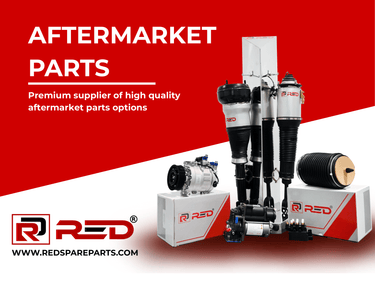
بالنسبة للسائقين الذين يبحثون عن خيارات استبدال، تشمل قطع غيار نظام التعليق والتوجيه من European Auto Spares مكونات لمجموعة من التطبيقات.
يمكنك أيضًا استكشاف مجموعة قطع غيار السوق الثانوي من European Auto Spares عند مقارنة خيارات الاستبدال.
الشيء المهم هو اختيار المكون الصحيح لسيارتك وتطبيقك بالضبط بدلاً من اختيار جزء بناءً على السعر فقط.
هل قطع غيار نظام التعليق من السوق الثانوي أرخص من القطع الأصلية؟
يمكن أن تكون كذلك، على الرغم من أن الأسعار تختلف بشكل كبير حسب العلامة التجارية والمكون والسيارة.
الخيار الأرخص ليس بالضرورة الأفضل قيمة إذا لم يوفر المكون التركيب أو المتانة أو الأداء المطلوب.
عند مقارنة أجزاء نظام التعليق، انظر إلى ما هو أبعد من السعر الرئيسي. تحقق من التوافق وسمعة الشركة المصنعة والمواصفات والضمان وما إذا كان الجزء مناسبًا للاستخدام المقصود للسيارة.
بالنسبة للمركبات عالية الأداء أو الفاخرة أو المتخصصة، يمكن أن تكون المواصفات الصحيحة مهمة بشكل خاص.
متى يجب أن تتوقف عن القيادة وتفحص نظام التعليق؟
يجب التعامل مع بعض أعراض نظام التعليق بجدية أكبر من غيرها.
إذا ظهر في سيارتك فجأة عدم استقرار شديد في التوجيه، أو صوت طقطقة كبير، أو زنبرك مكسور، أو تسرب سائل كبير، أو ارتفاع غير متساوٍ بشكل كبير، أو صعوبة في الحفاظ على السيطرة، فتجنب القيادة غير الضرورية حتى يتم فحص السيارة.
يمكن أن تؤثر مشكلة في نظام التعليق على التعامل، وتلامس الإطارات مع الطريق، والاستقرار الكلي للسيارة.
إذا كنت غير متأكد مما إذا كان الصوت أو التغيير في التعامل خطيرًا، فمن الأكثر أمانًا تقييم السيارة بدلاً من انتظار تفاقم المشكلة.
كيف يمكنك فحص نظام التعليق قبل شراء قطع غيار جديدة؟
ابدأ بالانتباه إلى كيفية تصرف السيارة.
لاحظ ما إذا كانت ترتد بشكل مفرط، أو تنحرف إلى جانب واحد، أو تصدر أصواتًا غير عادية، أو تشعر بعدم الاستقرار، أو تتطور تآكل غير متساوٍ في الإطارات، أو تتصرف بشكل مختلف عند الفرملة والانعطاف.
يمكن أن يكشف الفحص البصري أحيانًا عن مشاكل واضحة، لكن العديد من مشاكل نظام التعليق تتطلب رفع السيارة وفحص المكونات الفردية.
قبل طلب قطع الغيار، تأكد من المواصفات الدقيقة للسيارة، وسنة الطراز، والمحرك، وإعداد نظام التعليق ذي الصلة. إذا كنت غير متأكد من المكون المطلوب، يمكن للمشورة المهنية أن تمنع شراء الجزء الخطأ.
ماذا يجب أن تفعل إذا كنت تشك في أن نظام التعليق يحتاج إلى استبدال؟
لا تنتظر حتى يصبح عَرَض بسيط في نظام التعليق مشكلة كبيرة في التحكم.
سجل ما لاحظته، بما في ذلك متى يحدث الضجيج، وما إذا كانت السيارة تنحرف إلى جانب واحد، وأين يحدث تآكل الإطارات، وما إذا تغيرت القيادة.
ثم رتب لإجراء فحص دقيق قبل طلب القطع. بمجرد تحديد المكون الفاشل، قارن خيارات الاستبدال المناسبة بناءً على التوافق والجودة والمواصفات والميزانية.
بالنسبة للسائقين الذين يبحثون عن مكونات بديلة، تصفح قطع نظام التعليق والتوجيه، وحيثما كان ذلك مناسبًا، قارن الخيارات ضمن مجموعة قطع الغيار ما بعد البيع.
الأسئلة الشائعة حول قطع نظام التعليق
ما هي العلامات الأولى لتآكل نظام التعليق؟
تشمل علامات التحذير الشائعة الارتداد المفرط، والأصوات الغريبة التي تشبه الطقطقة، وتآكل الإطارات غير المتساوي، وزيادة ميل جسم السيارة، وتغيرات في التوجيه، وتسرب السوائل من ممتصات الصدمات، وقيادة غير مستقرة أو أقل تحكمًا.
هل يمكن أن يؤثر نظام التعليق السيء على الإطارات؟
نعم. يمكن أن تساهم مكونات نظام التعليق البالية أو التالفة في تآكل الإطارات غير الطبيعي، على الرغم من أن المحاذاة وضغط الإطارات ومكونات التوجيه الأخرى يمكن أن تكون مسؤولة أيضًا.
هل يمكن أن يؤثر نظام التعليق البالي على الفرملة؟
يمكن ذلك. يؤثر حالة نظام التعليق على مدى فعالية بقاء الإطارات على اتصال بالطريق، خاصة أثناء انتقال الوزن تحت الفرملة.
هل يجب استبدال قطع نظام التعليق في أزواج؟
بالنسبة لبعض المكونات، خاصة ممتصات الصدمات أو الدعامات، قد يوصى باستبدال الأجزاء المقابلة كزوج محوري للحفاظ على أداء متوازن. اتبع إرشادات الشركة المصنعة للسيارة ونصيحة فني مؤهل.
هل قطع غيار نظام التعليق من السوق الثانوي موثوقة؟
تختلف الجودة بين المصنعين والمنتجات. يمكن أن يكون المكون الموثوق به من السوق الثانوي والذي يتم تحديده بشكل صحيح للسيارة بديلاً عمليًا للاستبدال بالمعدات الأصلية.
كيف أعرف أي جزء من نظام التعليق أحتاجه؟
قد لا تحدد الأعراض وحدها المكون المعطل. الفحص الدقيق هو أفضل طريقة لتحديد ما إذا كانت المشكلة تتعلق بممتصات الصدمات، أو النوابض، أو البطانات، أو أذرع التحكم، أو المفاصل الكروية، أو مكونات التوجيه، أو جزء آخر.
الخلاصة
تشمل العلامات الأكثر شيوعًا التي تدل على أن سيارتك بحاجة إلى قطع نظام تعليق جديدة الارتداد المفرط، والأصوات غير العادية، وتآكل الإطارات غير المتساوي، والميل المفرط لجسم السيارة، وتغيرات في التوجيه، وتسرب السوائل، وتدهور ملحوظ في استقرار السيارة.
ومع ذلك، لا تشير هذه الأعراض دائمًا إلى مكون معين. يمكن أن يؤثر نظام التعليق، والتوجيه، والإطارات، ومحاذاة العجلات على بعضها البعض، مما يجعل التشخيص الصحيح مهمًا قبل استبدال القطع.
إذا أكد الفحص أن مكونًا يحتاج إلى استبدال، يجب أن يكون اختيار المواصفات الصحيحة قبل مجرد اختيار الخيار الأرخص. استكشف قطع نظام التعليق والتوجيه أو قارن قطع الغيار ما بعد البيع المناسبة.